
Introduction
The roof is arguably the most important part of your home’s structure, sheltering you from the effects of time and the whims of the weather. To help it maintain its integrity and strength, however, scheduling roof inspection services with experienced and knowledgeable roofers is essential. The inspection usually goes over signs of leaks and checks for proper ventilation to create a comprehensive report on the health of the roofing system. If you’re curious about what exactly is assessed during an inspection appointment, this blog is just for you.
-
The Checklist Of A Typical Roof Inspection Service: What The Roofers Do
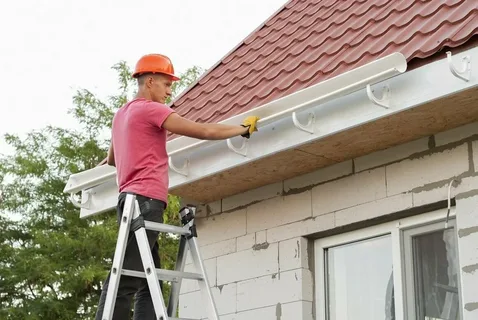
Roofers don’t just design and build your roof. It’s their job to keep up with its maintenance by conducting routine roof inspections. This is a key step to catch small signs of damage before they worsen and prevent costly repairs in the future.
Here is a look at everything that a roof inspector checks when assessing your roof
-
Checking Material
The first thing that a roofer will look at is the material of the roof. If it’s an asphalt shingle roof, they’ll look for cracks, warping, or missing shingles. In the case of wooden roofs, they’ll look for signs of mold and pests, and if it’s a metal roof you have, roofers will look for rust.
-
Assessing Integrity
Once the cursory inspection is done, the roofers will move on to the structural integrity of the roofing system. This means they’ll make notes on signs of sagging, weakness, or unevenness that could result in water ponding, leaks, or collapse later o
-
Inspecting Flashing & Seals
Moving on to joints and corners, roofers will carefully look at the points where the chimney meets the roof, plus check the area around things like skylights. They’ll check for loose or damaged flashing that could lead to leaks.
-
Inspecting Drainage Systems
Then they’ll move on to the drainage system. They need to be clear of all forms of debris and build-ups so that any rainwater or melting snow can easily slide off the roof. If not, it could lead to rot and moisture damage.
-
Checking Chimneys
Finally, they’ll assess the state of your chimney. They’ll check the chimney cap’s position, look for cracks in the masonry, and even make sure there aren’t any loose materials on the structure.
-
Assessing Ventilation
Once the exterior of the roof is thoroughly inspected, roofers will move on to the interior of your roof. The first thing they’ll look at is the ventilation in the attic. Proper ventilation is crucial to keep your roof safe from moisture damage and even keep your property comfortable throughout the changing season
-
Looking For Water Damage
Finally, as part of your roof inspection service, your roofers will check for signs of possible moisture damage. This includes looking for bumps in the ceilings and walls, checking for stains, and even something as simple as smelling that familiar musty odor that indicates moisture penetratio
-
Results & Recommendations: What The Inspection Report Covers
Now that the roof has been thoroughly inspected, it’s time to detail its findings. The roofers will create a comprehensive roof inspection report, giving the property owners an overview of the condition of their roof.
Here is everything that the inspection report covers.
-
An Inspection Summary
The first thing in that report will be an overall summary of the inspection that the roofers conducted. It’ll cover everything from the material’s condition to the state of the ventilation so that homeowners know what the roofers did.
-
Expert Opinions
Based on everything that the roofers found, they’ll give an estimate of the roof’s expected lifespan and the true condition of the roof for the property owner’s knowledge.
-
Suggested Steps
Finally, the roof inspection report will highlight all the things that the homeowners need to do in order to ensure the safety of their property, be it repairs or an overall roof replacement
-
Conclusion
To conclude, scheduling roof inspection services is the best way to ensure the health and integrity of the roofing system. It covers everything from the flashing, material, and drainage systems, plus it goes over the state of the ventilation. It’s a comprehensive guide on the current condition of the roof and what homeowners need to do to protect their roofs in the future. We hope the blog above gave you a thorough understanding of what a roof inspection covers. For more questions, please feel free to ask!
-
FAQs
How often should I schedule a roof inspection?
You should schedule one at least once a year, and after any major weather event.
How do I find the right roof inspector?
Check certification and experience with your particular roofing system and look at reviews to find your ideal roof inspector.
How long does a roof inspection take?
Depending on the size, complexity, and accessibility of the roof, it takes anywhere from 45 minutes to above two hours.